Your Morning Ritual Is Missing Something: A Beginner's Guide to Building a Real Qahwa Practice at Home

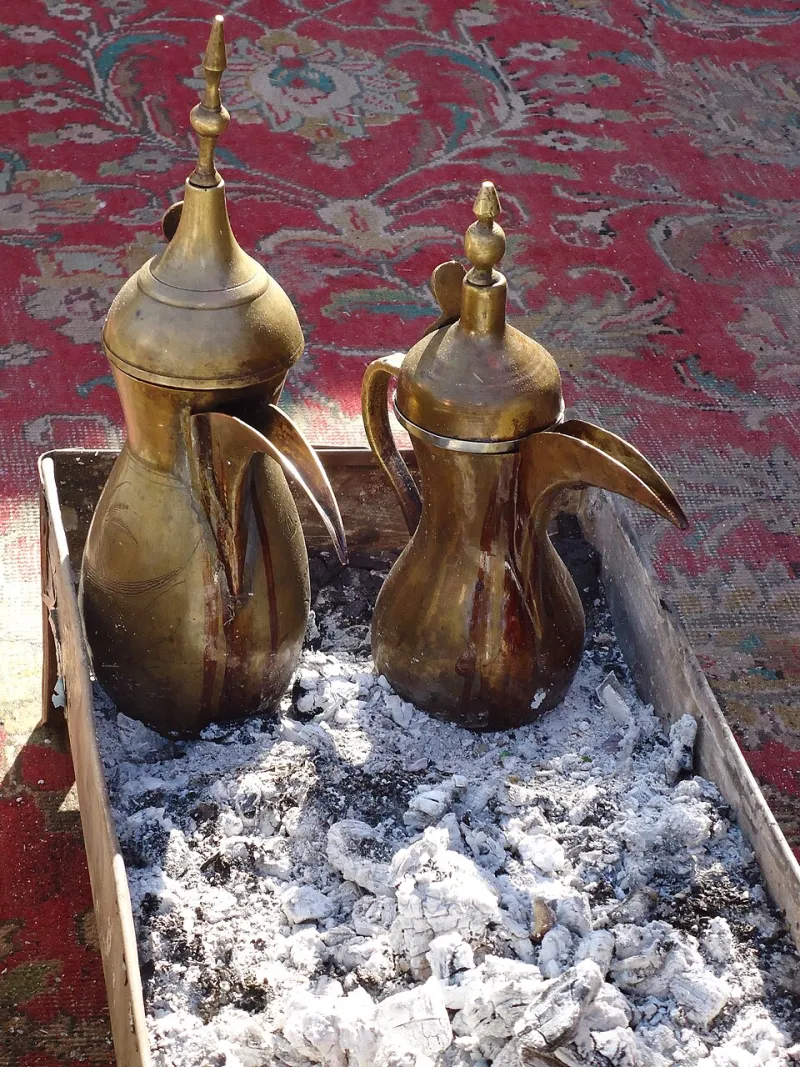
Photo: home Arabic coffee preparation cardamom dallah pot finjans cups, via i.pinimg.com
Let's be honest: most of us have a coffee routine, not a coffee ritual. There's a difference. A routine is what you do on autopilot before your brain is fully online. A ritual is something you show up for intentionally, something that marks the beginning of a day or the warmth of a gathering with a bit of meaning.
Qahwa — the traditional spiced coffee of the Arab world — is a ritual in the fullest sense. In homes across Saudi Arabia, the UAE, Qatar, and beyond, it's how you welcome guests, how you start important conversations, and how you slow down in a world that's always pushing you to speed up. The good news is you don't need to be in Riyadh to experience it. You just need a few tools, some quality ingredients, and a willingness to do things a little differently than your usual K-Cup Tuesday.
Here's how to build your own qahwa practice from scratch.
First, Understand What You're Actually Making
Before you go buying equipment, it helps to know what qahwa actually is — because it's not what most Americans picture when they think "Arabic coffee."
Qahwa (also spelled gahwa) is made from lightly roasted green or pale-roasted beans, ground coarsely and simmered with whole cardamom pods. Depending on the region, you might also add saffron, cloves, or dried rosewater. The result is a pale golden liquid that's served in small handle-less cups called finjans. It's aromatic, slightly bitter, and completely unlike the dark espresso-forward drinks that dominate American café menus.
This is important: qahwa is not a caffeine delivery system. It's meant to be sipped slowly, often alongside dates, and shared with other people. Adjusting your expectations here is step one of building a real practice.
The Equipment You Actually Need (And What You Can Skip)
You don't need to spend a fortune to get started. Here's an honest breakdown:
The Dallah — This is the iconic long-spouted coffee pot traditionally used to brew and serve qahwa. A good dallah is beautiful and functional, and if you want to go the full traditional route, it's worth the investment. Copper or stainless steel versions are widely available online, with prices ranging from about $30 to well over $100 for decorative pieces. That said, a small saucepan absolutely works for brewing while you figure out if this is a practice you want to commit to.
Finjans (small cups) — These handle-less cups are specifically sized for qahwa, typically holding about 2-3 ounces. You can find sets on Amazon or at Middle Eastern grocery stores in most major US cities. They're not expensive, and they genuinely change the experience — sipping qahwa from a regular coffee mug feels a bit like eating sushi with a fork. It works, but something's lost.
A mortar and pestle — Traditionally, qahwa beans and spices are ground by hand. If you're serious about the ritual aspect, this is worth having. The process of grinding your own cardamom is meditative in a way that a spice grinder just isn't. A basic stone mortar runs around $20-30 and will last forever.
What you can skip for now: a specialized roasting setup. Pre-roasted qahwa beans are available from specialty importers and Middle Eastern grocery stores. Get comfortable with the brewing process before you start thinking about home roasting.
Sourcing Your Ingredients
The bean matters more than most people realize. Traditional qahwa uses a light roast that preserves the coffee's natural floral and grassy notes — the kind of flavor profile that gets completely buried under a dark roast. Look for:
- Yemeni coffee beans, particularly from the Haraaz or Bani Mattar regions, which are considered among the finest in the world and have a natural complexity that works beautifully in qahwa
- Ethiopian green coffee if you want to try home roasting eventually — it's widely available and has similar flavor characteristics
- Pre-blended qahwa mixes from brands like Al-Wazzan or similar Gulf importers, which include the spice blend already incorporated — a great shortcut for beginners
For spices, fresh whole green cardamom pods are non-negotiable. Pre-ground cardamom loses its fragrance quickly and will give you a flat, dusty result. A small bag of whole pods goes a long way. If you want to try saffron, a tiny pinch — and we mean tiny — is all you need. Good saffron is expensive, but a single gram will last you months.
Dates for serving are traditional and genuinely delicious alongside qahwa. Medjool dates are widely available at Whole Foods, Trader Joe's, and most Middle Eastern markets. They're the perfect counterbalance to the drink's slight bitterness.
The Basic Brew: A Simple Starting Method
Here's a straightforward approach that doesn't require any specialized equipment:
- Lightly crush 4-5 whole cardamom pods in your mortar — just enough to crack them open and release the seeds.
- Add 2 cups of water to your pot and bring it to just below a boil.
- Add 2 tablespoons of lightly roasted, coarsely ground coffee and the cracked cardamom. A pinch of saffron is optional but lovely.
- Reduce the heat and let it simmer gently for 10-15 minutes. Don't rush this. The slow simmer is part of the point.
- Strain through a fine mesh strainer or cheesecloth into your dallah or serving vessel.
- Serve immediately in finjans, alongside dates.
This makes enough for two people to share comfortably — which is, not coincidentally, the traditional serving context.
The Meditative Part (This Is Where It Gets Good)
Here's what nobody tells you about building a qahwa practice: the preparation is the practice. Those 15 minutes of simmering aren't dead time. They're an invitation to be somewhere specific, doing something with your hands, not staring at a screen.
Many people who adopt a daily qahwa ritual describe it as the first genuinely quiet moment of their day. The smell of cardamom warming in the pot is almost absurdly calming. The slow pour into small cups forces a different pace than slamming a travel mug on the way out the door.
You don't have to be spiritual about it if that's not your thing. But do try to be present for it. Put your phone down for the brewing time. That's really the whole secret.
Hosting Your First Qahwa Gathering
Once you're comfortable with the basics, consider inviting a few friends over for a proper qahwa gathering. In Arab culture, this is how the drink is most meaningfully experienced — as an act of shared hospitality.
Keep it simple: brew a larger batch, have dates and maybe some nuts or small sweets available, and let the conversation go where it wants. The traditional role of the host is to keep cups filled without being asked, to pay attention to guests, and to create a space where people feel genuinely welcomed rather than entertained.
You'll be surprised how differently a gathering feels when the drinks require a little ceremony and the cups are small enough that people naturally want refills — and therefore stay a little longer.
Start Small, Stay Consistent
You don't need to overhaul your entire morning to build a qahwa practice. Start with one or two mornings a week. Get comfortable with the brew. Invest in a set of finjans when you're ready. Add the mortar and pestle when grinding by hand sounds appealing rather than annoying.
The ritual builds itself, honestly. Once you've experienced the difference between a hurried coffee routine and a slow, intentional qahwa practice, it's hard to go back to just hitting a button and walking away.
Five hundred years of tradition says you're onto something good.