The Little Green Pod That Changed the Way the Middle East Drinks Coffee
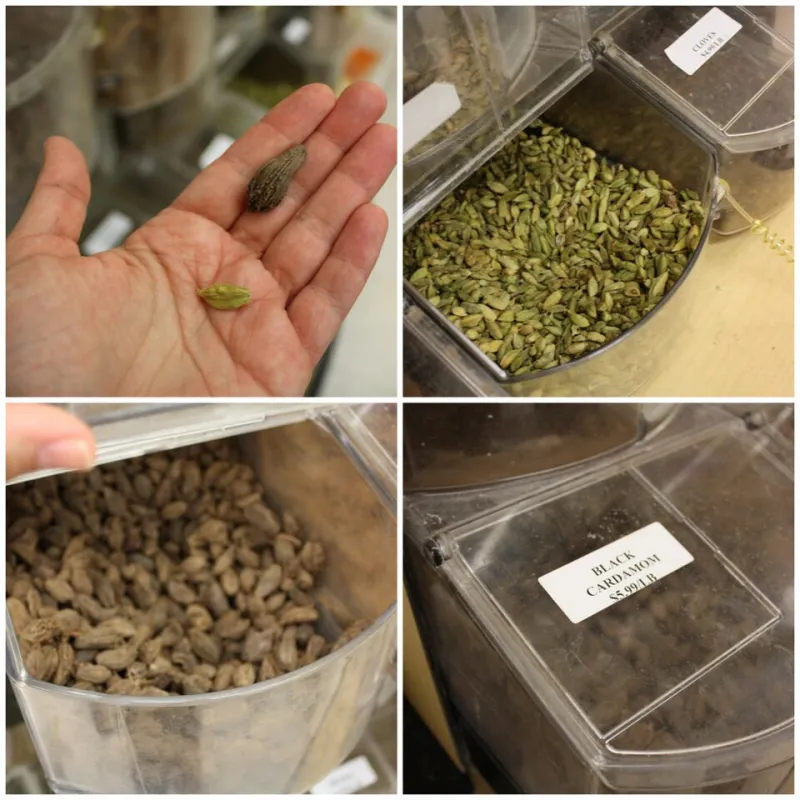
Photo: Leslie Seaton from Seattle, WA, USA, CC BY 2.0, via Wikimedia Commons
Pick up a bag of pre-ground coffee at your local grocery store and you'll find a pretty predictable ingredient list: coffee. Maybe some "natural flavors" if you're unlucky. But crack open a traditional tin of Gulf-style qahwa blend and something entirely different hits your nose — something floral, slightly citrusy, faintly peppery, and deeply ancient. That's cardamom. And once you understand what it's doing in your cup, you'll never look at plain black coffee the same way again.
A Spice With a Passport Older Than Most Countries
Cardamom (Elettaria cardamomum) is native to the lush, humid forests of southern India and Sri Lanka — specifically the Western Ghats mountain range, where it still grows wild today. Long before it found its way into Arabian coffee pots, it was already a prized commodity moving along maritime and overland trade routes that connected South Asia to the Persian Gulf, the Levant, and eventually the whole Mediterranean world.
By the time qahwa culture was taking root in Yemen during the 15th century — when Sufi monks are widely credited with popularizing brewed coffee as a nighttime ritual to stay alert during prayer — cardamom was already a familiar presence in regional kitchens and medicine cabinets. The pairing wasn't accidental. Traditional herbal medicine, or tibb nabawi, recognized cardamom as a digestive aid and a warming agent. Adding it to coffee wasn't just about taste; it was about balance. Coffee was considered a strong, stimulating substance, and cardamom was believed to temper that intensity while easing digestion. Practical and delicious — a combination that tends to stick around for five hundred years.
The Flavor Nobody's Talking About (But Should Be)
Here's the honest truth: most American coffee culture has a blind spot the size of the Arabian Peninsula when it comes to spiced coffee. We've embraced oat milk lattes, single-origin pour-overs, and cold brew nitro taps. But the idea of intentionally grinding cardamom into coffee still reads as exotic or unusual to a lot of US drinkers — and that's a shame.
So what does cardamom actually taste like in coffee? Think of it this way: if black coffee is a straightforward guitar riff, cardamom is the chord progression underneath it. It adds a layer of floral sweetness — similar to bergamot, which is why Earl Grey tea fans often take to it immediately — alongside a mild, almost eucalyptus-like coolness and a gentle heat that lingers at the back of your throat. It doesn't overpower the coffee. In a well-made qahwa, it elevates it.
The result is a cup that's simultaneously more complex and more approachable. The bitterness softens. The aroma opens up. And there's something about the warmth of cardamom that makes the whole experience feel intentional — like someone thought carefully about what they were handing you.
How Different Regions Do It Differently
One of the most fascinating things about cardamom's role in Middle Eastern coffee culture is that it's not uniform. Each region has its own relationship with the spice, and those differences tell you a lot about local taste preferences and cultural history.
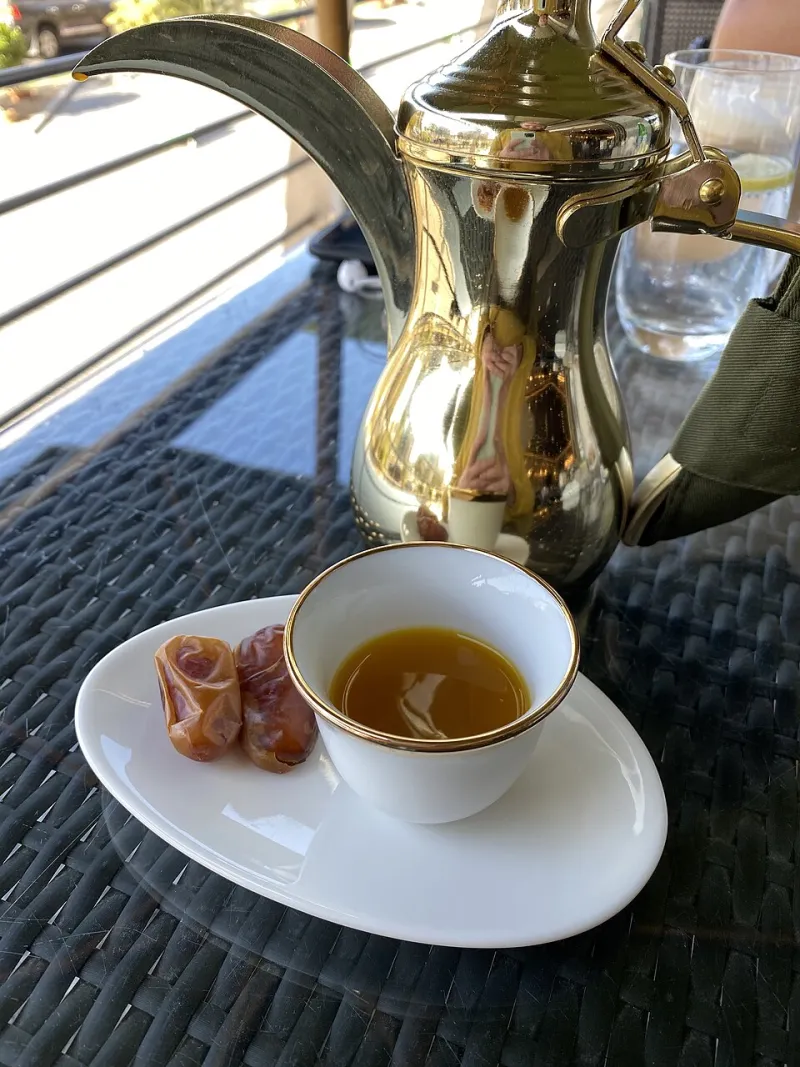
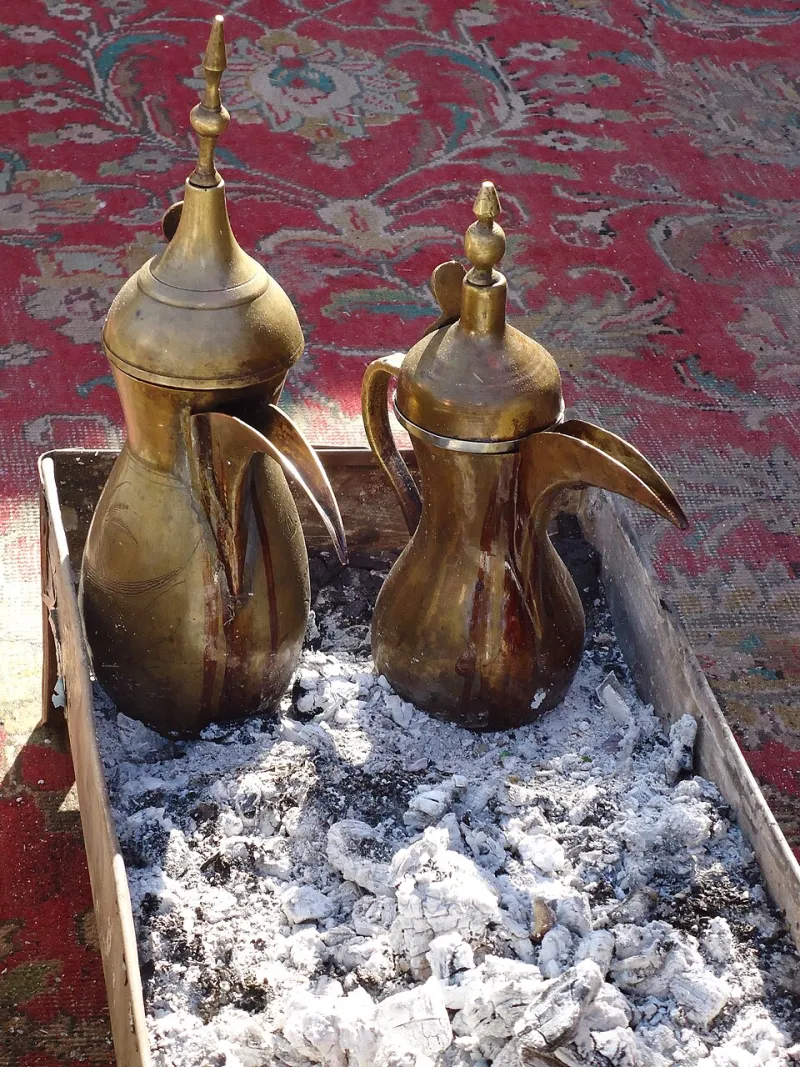
Saudi Arabia and the Gulf states tend to use the highest ratio of cardamom, often preparing gahwa (the Gulf Arabic pronunciation) with lightly roasted, pale green coffee beans — sometimes called "yellow coffee" — heavily dosed with cardamom and occasionally saffron. The result is a light, almost tea-like beverage served in small handleless cups called finjans. It's mild in caffeine but intense in fragrance.
Yemen, widely considered the birthplace of coffee culture, has its own tradition: qishr, which is actually made from coffee husks rather than beans, brewed with ginger and cardamom. It's earthier, spicier, and wildly underappreciated globally.
Lebanon and the Levant tend toward a darker roast with a more restrained cardamom presence — you taste it, but it plays a supporting role rather than taking center stage. Turkish-style coffee in this region sometimes gets a pinch of cardamom added right into the cezve (the small brewing pot) during preparation.
Egypt often skips cardamom entirely in everyday coffee but uses it liberally in special occasion blends and hospitality settings, which says something interesting about how the spice carries ceremonial weight beyond everyday flavor.
Picking Good Cardamom: What to Actually Look For
Not all cardamom is created equal, and if you've only ever used the dusty pre-ground stuff sitting in the back of your spice drawer, you haven't really met cardamom yet.
For qahwa preparation, whole green pods are your starting point. Look for pods that are plump, uniformly green (not bleached or yellowed), and fragrant — you should be able to smell them right through the packaging. Guatemalan cardamom is widely available in the US and is perfectly good; Indian cardamom, particularly from Kerala, is considered premium and has a slightly more complex, floral profile.
For home brewing, the simplest approach is to lightly crush two or three pods with the flat side of a knife and add them directly to your coffee grounds before brewing — whether you're using a drip machine, a French press, or an ibrik. The seeds inside the pods carry most of the flavor; the pods themselves contribute a subtler, woodier note.
If you want to go deeper, try sourcing whole cardamom seeds (removed from the pods) and grinding them fresh alongside your coffee beans. The ratio most traditional qahwa makers use hovers around one part cardamom to every four or five parts coffee — but honestly, your nose and your taste buds are the best guides here.
Why This Matters Beyond the Cup
There's a reason qahwa is traditionally the first thing offered to a guest in Gulf households. The cardamom isn't incidental — it's communicative. A cup of plain coffee says "here's a drink." A cup of cardamom-scented qahwa says "I prepared something specifically for you, and I thought about what would make it good."
For American coffee drinkers who've become accustomed to customization ("oat milk, two pumps, extra hot"), there's something genuinely refreshing about a flavor tradition that has stayed remarkably consistent for centuries. Cardamom in coffee isn't a trend. It's not a seasonal special. It's a decision that millions of people across the Middle East make every single morning because it works — because it's always worked.
The spice trade that originally carried those little green pods from the forests of Kerala to the coffeehouses of Mecca is long gone. But the flavor it left behind is still very much alive. And your morning cup is absolutely missing it.