Cold Brew Can Chill. Qahwa Still Wants You to Sit Down.

Photo: Deryck Chan, CC BY-SA 4.0, via Wikimedia Commons
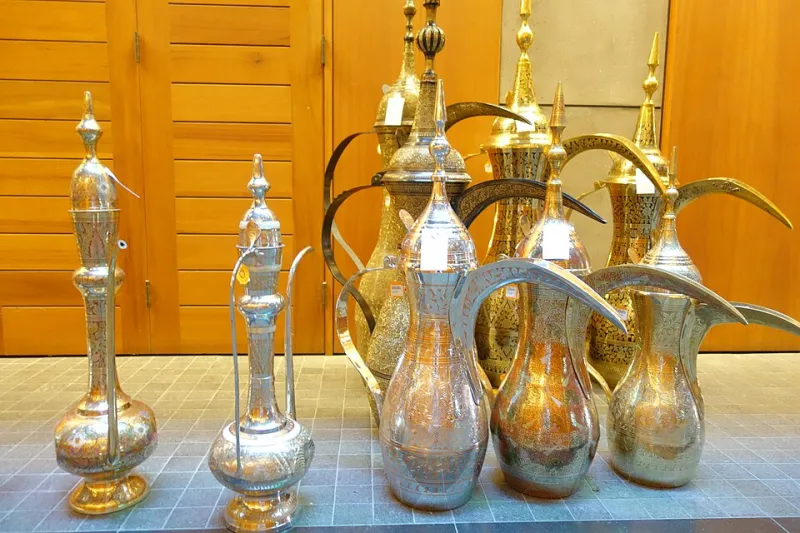
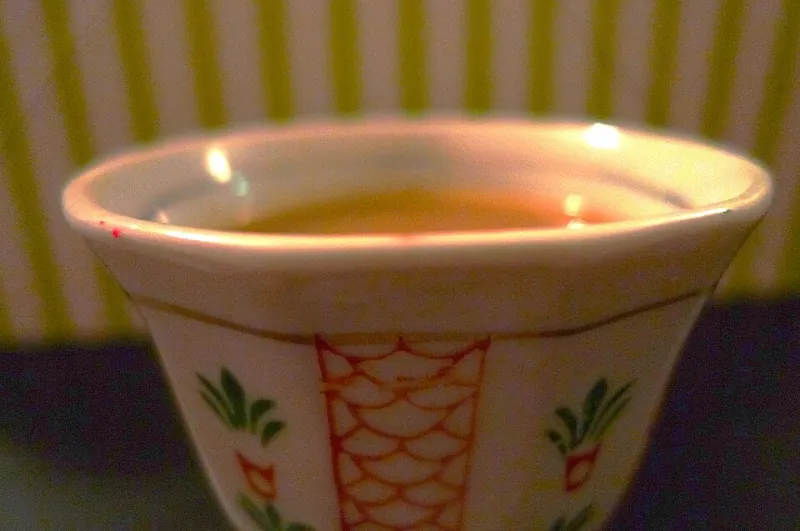
Cold brew is having a long, chilly moment in America. You can find it on tap, in cans, in drive-thru lanes, and in the kind of sleek refrigerator case that makes a $6 bottle feel reasonable. Qahwa, by contrast, is hot, spiced, poured from a dallah, and served in a finjan small enough to confuse a barista. So the question is fair: can qahwa survive the cold brew boom?
My honest answer, as someone who keeps a dallah on the counter and a cold brew in the fridge in July: yes. But not because qahwa needs to compete on cold brew's terms. It survives because it offers something cold brew is not designed to offer — a reason to sit still.
Cold Brew Is a Technique. Qahwa Is a Relationship.
Let us be fair to cold brew. It is a genuinely useful technique. Steeping coffee in cold water for hours can produce a smooth, low-acid cup that works beautifully over ice. It travels well. It scales. It fits the American workday, which often treats a beverage as a companion to three other tasks.
Qahwa does not travel well in the same way, and that is not a flaw. The dallah, the small cups, the dates, the sequence of pouring — these are not inefficient details. They are the point. Qahwa is less a product than a short, repeated invitation: stay a little longer, talk a little slower, let the host take care of you.
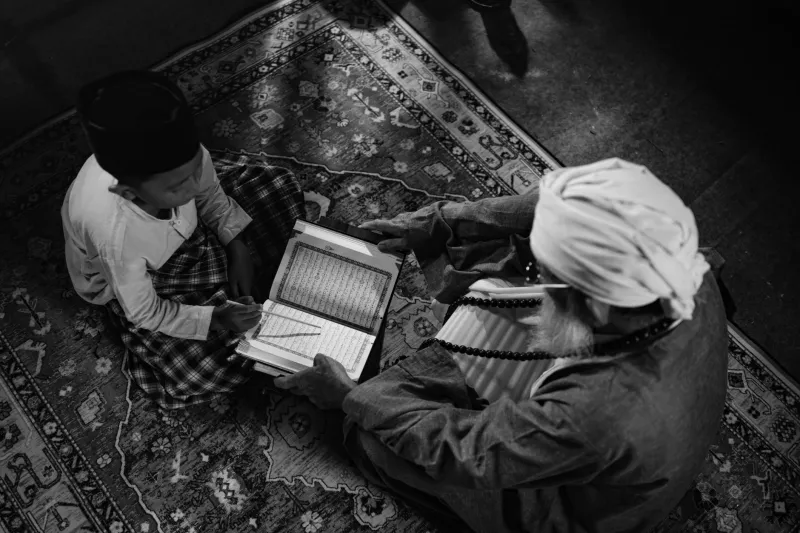
That invitation has survived centuries. It has moved through Yemeni coffee traditions, Ottoman coffeehouses, Gulf majlis gatherings, and Levantine family tables. It has adapted to new pots, new stoves, and new countries. It did not survive because it was trendy. It survived because people keep finding reasons to pour it for each other.
The Risk Is Not Temperature. The Risk Is Attention.
I am not worried that someone will put qahwa over ice and ruin it. I am worried that qahwa will be reduced to a flavor label. Cardamom qahwa cold foam. Saffron qahwa energy drink. Dallah-themed packaging with no dallah in sight. That is not adaptation; that is extraction.
Cold brew culture is very good at personalization. You can choose the roast, the milk, the sweetness, the size, the ice ratio. Qahwa culture is good at something else: reception. The guest does not usually walk in and design the pot. The guest receives what the host has prepared, and the conversation begins there.
That is a different kind of coffee experience. It asks for a little surrender. You might get more cardamom than you expected. You might get a cup so small that your first thought is whether you should ask for a second. You might get a host who pours before you finish saying thank you. The point is not control. The point is presence.
Where Cold Brew and Qahwa Could Actually Meet
I am not a purist who thinks qahwa must always be hot. Tradition is not a museum piece. If someone experiments with a chilled qahwa in July, I will try it. If a Yemeni American cafe serves qishr over ice, I am interested. If a host decides to pour qahwa after dinner alongside a cold drink for the kids, that is hospitality, not heresy.
The meeting point is not temperature. It is pace. A cold brew can be sipped slowly. A qahwa can be poured quickly. What matters is whether the drink creates a moment or just fills a hand.
So yes, qahwa can survive the cold brew boom. It can sit next to the canned coffee in the fridge and still keep its own rituals. But it will not survive by pretending to be something it is not. It survives by remaining unmistakably itself: a small cup, a full pot, and a host who is not checking the clock.
The Honest Answer for Cold Brew Fans
If you love cold brew, you do not need to abandon it to appreciate qahwa. You need to add one thing to your routine: a pause that is not optimized. Brew your cold brew on Sunday. Drink it on Monday. But sometime this week, make coffee for someone else and do not hand it to them in a travel mug. Sit down. Pour a second cup. Ask a question that takes longer than the coffee.
That is the challenge cold brew culture has not solved. It can make coffee faster, smoother, and more portable. It cannot make a room feel like a majlis. Qahwa can. That is why it will survive.