How to Find a Qahwa Master in Your Own Backyard — and Actually Learn From One
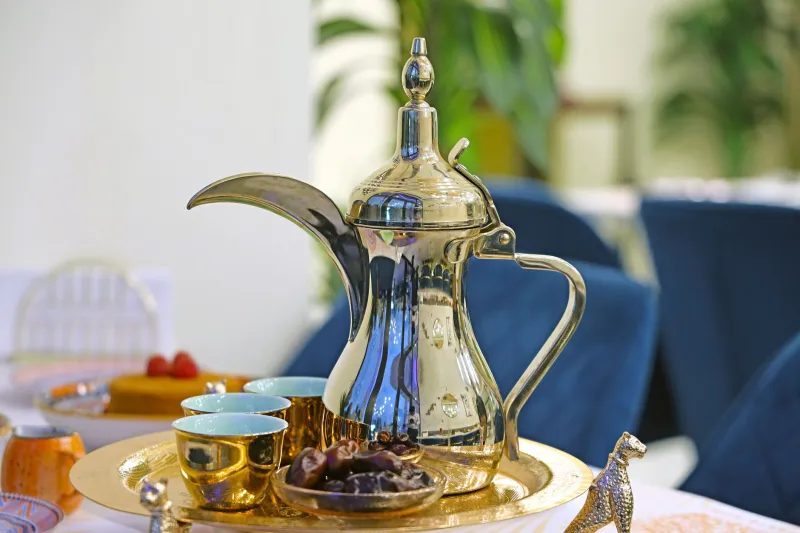
There's a version of learning qahwa that looks like this: you buy a dallah off Amazon, watch a few videos, order some cardamom, and call it a practice. And honestly, that's a fine place to start. But somewhere between the first decent pour and the realization that something still feels off — the color isn't quite right, the spice balance is slightly wrong, the whole thing is missing a quality you can't name — a lot of enthusiasts hit the same wall.
The wall isn't a recipe problem. It's a transmission problem.
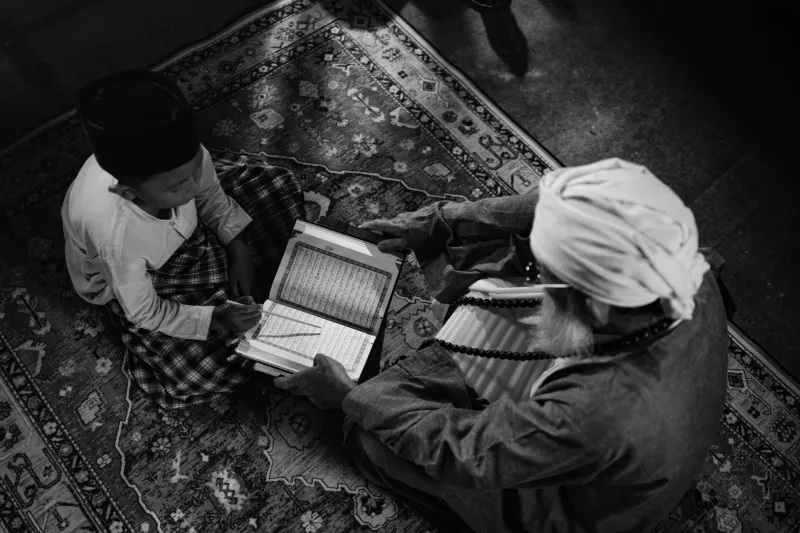
Qahwa has always been taught person to person. Not through written instructions, not through cookbooks, and definitely not through a four-minute tutorial with background music. The knowledge lives in someone's hands, in the way they listen to a pot, in the judgment calls they make without thinking. Finding that person — and earning the right to learn from them — is one of the most rewarding things an American coffee lover can do. It's also something almost nobody talks about how to actually do.
So let's talk about it.
Why the Informal Apprenticeship Model Still Exists
In Middle Eastern coffee culture, formal credentials don't really exist the way they do in Western specialty coffee. There's no qahwa certification, no licensed master pourer program, no weekend workshop with a certificate at the end. What exists instead is something older and, arguably, more effective: a living chain of knowledge passed directly from one person to another over time.
Masters — and they exist in cities all across the US, often hiding in plain sight — typically learned from a parent, grandparent, or elder within their community. They're not withholding the knowledge out of secrecy. They're waiting for someone who approaches it with the right spirit. That distinction matters enormously when you're trying to make contact.
Where to Actually Look
The most obvious starting point is also the most underused: Middle Eastern restaurants and cafes. Not the trendy fusion spots, but the older, family-run places that have been in the same neighborhood for a decade or more. These businesses are often anchored by someone who has been making qahwa the same way their whole life. Walk in during a slow hour. Order something. Start a conversation about the coffee.
Mosques and Islamic cultural centers are another strong lead. Qahwa plays a significant ceremonial and social role in many Muslim communities, and coffee preparation often falls to specific elders who take the responsibility seriously. Attending a community open house or cultural event is a natural, low-pressure way to meet people and express genuine interest.
Arab, Yemeni, and Gulf community associations exist in most major American cities — Houston, Detroit, Dearborn, Los Angeles, New York, Dallas — and often host cultural events where traditional foods and beverages are central. These gatherings are where you'll find people who care deeply about this stuff and are usually happy to talk about it with someone who's clearly not just being polite.
Finally, don't underestimate specialty grocery stores. Middle Eastern markets — particularly those catering to specific national communities — are staffed and frequented by people who know exactly what real qahwa tastes like and often know who in the area makes it best.
How to Approach Someone Without Getting It Wrong
This is where a lot of well-meaning Western enthusiasts stumble. The impulse is to lead with credentials — I've been into specialty coffee for years, I've read about qahwa, I've tried making it at home. That framing puts your existing knowledge at the center, which can accidentally signal that you're looking for confirmation rather than education.
A better approach is curiosity and humility, in that order. Ask questions about their experience first. Where did they learn? How long have they been making it? What region does their style come from? Listen more than you talk. If you mention your own interest, frame it as something you're just beginning to understand — because compared to someone who's been doing this for forty years, you are.
Respect for time is also critical. Don't show up and immediately ask for a lesson. Build a relationship first. Come back. Bring something — pastries, a small gift, genuine attention. In most Middle Eastern hospitality traditions, the relationship has to exist before the teaching can happen. Trying to skip that step is the fastest way to get a polite but permanent brush-off.
What Real Masters Are Actually Looking For
Here's something that surprises most people: genuine practitioners aren't particularly impressed by technical enthusiasm. They're not looking for someone who already knows the difference between Saudi and Emirati styles, or who can name the spice ratios from memory. That stuff can be learned in an afternoon.
What they're looking for — and what very few people demonstrate — is patience and presence. The ability to sit with the process without rushing it. A willingness to do the boring parts: cleaning the dallah properly, sourcing good beans, grinding by hand, watching the heat. If you show up eager to learn the glamorous parts and visibly impatient with the foundational ones, that communicates something important about whether you're actually ready.
They're also looking for someone who treats the tradition with genuine respect — not as an aesthetic to borrow, but as a living practice with roots worth honoring. That doesn't mean you need to have any particular cultural background. It means you need to show that you understand you're entering something that belongs to someone else's heritage, and that you're approaching it accordingly.
What the Learning Actually Looks Like
Forget structured lessons with a curriculum. Qahwa apprenticeship, when it happens organically, usually looks like showing up and helping. You might spend the first several visits just watching and assisting — grinding beans, heating water, washing equipment. The instruction comes embedded in the doing, not separated from it.
Pay attention to everything, not just the parts that seem instructional. The way someone holds the dallah. When they choose to add spice versus when they hold back. How they read the color of the brew before deciding it's ready. These observations accumulate into something that formal instruction rarely achieves: intuition.
Ask questions, but ask them at the right moments. After a pour, not during. When something puzzles you, not just to fill silence. Good questions demonstrate that you've been watching carefully, and they signal respect for the process.
Why This Way of Learning Is Worth the Effort
American coffee culture has gotten very good at optimizing. We have scales and timers and apps that dial in extraction to the decimal point. What we're less practiced at is receiving knowledge from another person — slowly, without a clear endpoint, without a certificate to show for it.
Qahwa apprenticeship, informal as it is, teaches you something that no tutorial can: how to be a student. How to earn trust gradually. How to sit inside a tradition rather than just consume it from the outside.
And when you finally pour a cup that someone who's been doing this for fifty years nods at approvingly — you'll know the difference between that and anything you could have figured out alone.