Finding Your Qahwa Teacher: How Americans Are Tapping Into a Living Tradition
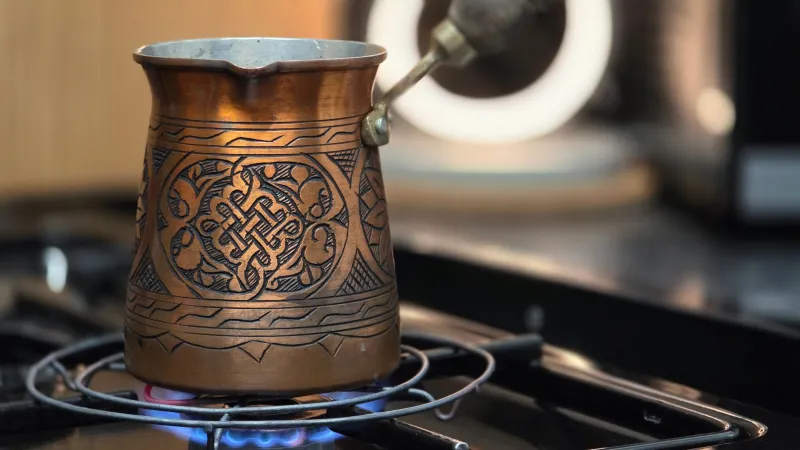
There's a particular kind of frustration that comes with teaching yourself something ancient. You follow the steps, you buy the right ingredients, you get something that tastes pretty good — and then you taste someone else's qahwa and realize you've been circling the edges of something much deeper without ever stepping inside.
That gap between self-taught and truly taught is real in almost every culinary tradition. It's especially real with qahwa.
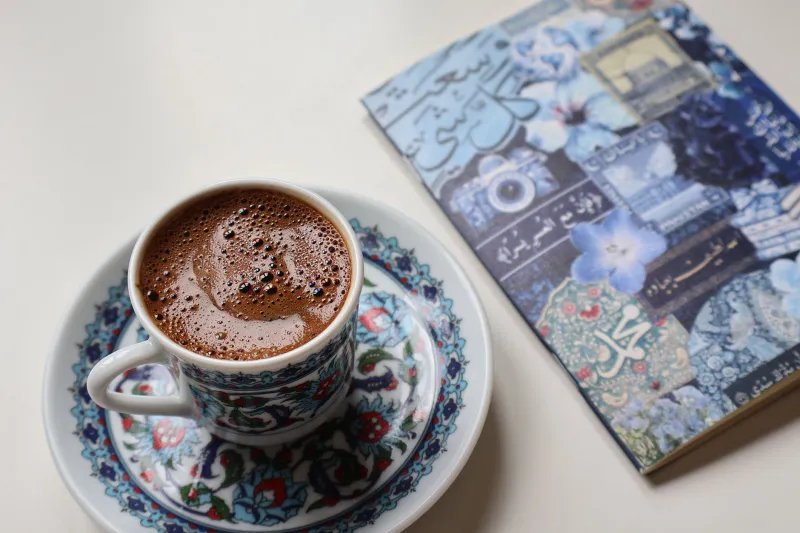
The preparation of traditional Arabic coffee isn't just a recipe. It's a set of intuitions built over years — knowing when the water is ready before a thermometer tells you, reading the color of the brew as it changes, understanding how humidity and elevation and even the mood of a gathering should shift the way you pour. That kind of knowledge doesn't live in a blog post. It lives in people.
The good news? Those people are here, in America, and the tradition of passing down qahwa knowledge is older and more generous than most outsiders realize.
Why the Mentor Tradition Matters in Qahwa Culture
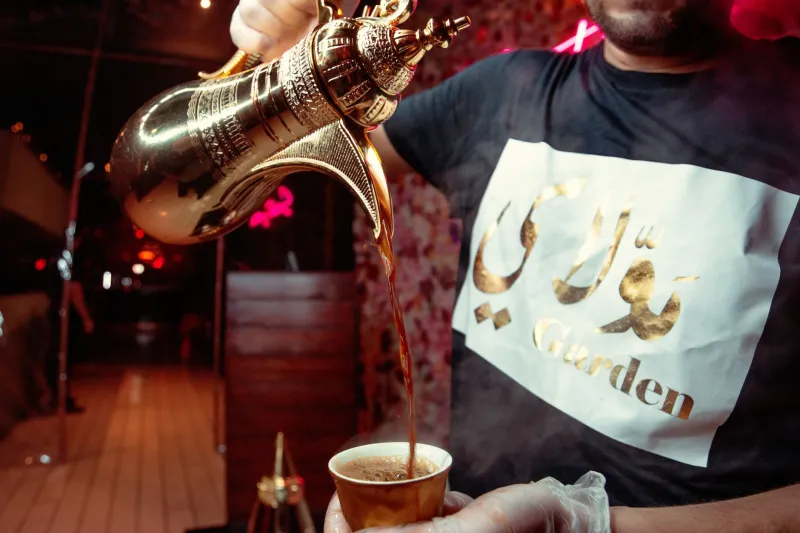
In Gulf and Yemeni households, qahwa preparation has historically been handed down in a specific way — not through written instruction, but through proximity. A younger family member watches an elder for years before they're trusted to hold the dallah. There's no formal exam, no certificate. There's just time, attention, and a lot of quiet observation.
This apprenticeship model isn't just cultural nostalgia. It reflects something true about what qahwa actually demands. The variables involved — spice ratios, roast levels, water quality, steeping time, pouring technique — interact in ways that are genuinely difficult to isolate on your own. A teacher doesn't just give you information. They show you what to pay attention to.
For Americans coming to qahwa as outsiders to the tradition, finding that kind of guidance can feel like trying to get into a club that doesn't advertise. But the door is usually unlocked. You just have to know where to knock.
Start Where the Community Already Gathers
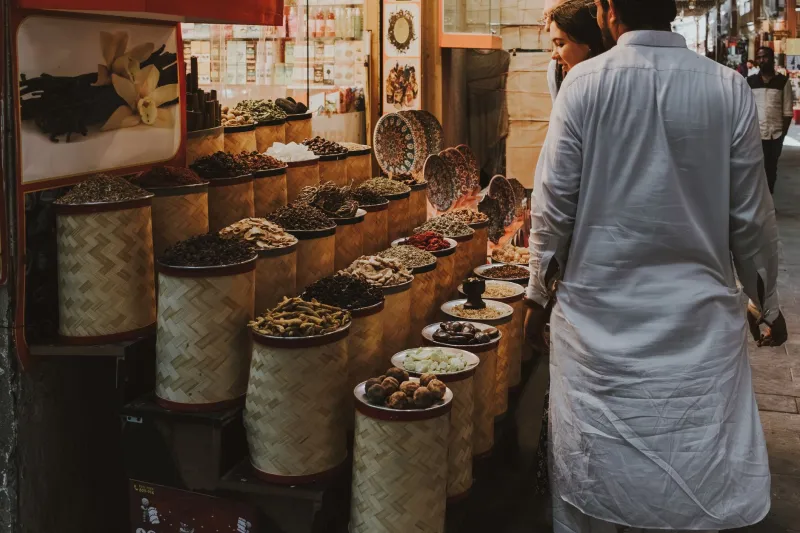
The most direct path to a qahwa mentor in the US runs through Middle Eastern community centers, mosques, and cultural associations. Cities like Dearborn, Michigan — home to one of the largest Arab American communities in the country — Houston, Los Angeles, and the DC metro area have robust networks of people who carry traditional coffee knowledge and often share it freely.
The key is showing up with genuine curiosity rather than a transactional mindset. Attend a community event. Visit a cultural festival. Sit down at a Middle Eastern restaurant or café and ask questions — not just about the menu, but about where the family is from and how they make their coffee at home. You'd be surprised how often a casual conversation leads to an invitation.
Mosques in particular are worth noting. Many host community gatherings where qahwa is served as a matter of course, and the people pouring it often have decades of practice. Introducing yourself and expressing honest interest in the tradition is usually welcomed.
Cultural Centers and Arabic Language Programs
Formal institutions can also open doors that feel harder to knock on directly. Arabic cultural centers often host workshops, cooking demonstrations, and heritage events that include traditional beverage preparation. Some universities with Middle Eastern studies programs or Arabic language departments hold community-facing events that bring traditional food and coffee culture into focus.
Keep an eye on event listings from organizations like the Arab American National Museum or local chapters of groups focused on Middle Eastern cultural exchange. These events aren't always advertised widely, so getting on mailing lists matters more than searching online at the last minute.
If you're already studying Arabic — or considering it — that context can deepen your access significantly. Language creates relationship, and relationship is how this kind of knowledge actually travels.
The International Connection: Learning Across Distance
Not every qahwa master is in the US, and not every lesson has to happen in person. Video calls have made it genuinely possible to learn from someone in Riyadh, Sana'a, or Abu Dhabi in real time. If you have connections — or can build them — to family networks, cultural organizations, or even social media communities centered on traditional qahwa, a remote mentorship is a legitimate option.
Platforms like Instagram and YouTube have made it easier to find skilled qahwa practitioners who are actively sharing their knowledge. Some of the best are based in the Gulf and post detailed preparation content. Reaching out directly — in Arabic if you can, with a translator if you can't — to express genuine admiration and ask questions often gets a warmer response than you'd expect.
The tradition of hospitality that surrounds qahwa extends, in many cases, to the willingness to share knowledge with someone who approaches respectfully.
What to Bring to the Relationship
If you do find a teacher — whether that's a neighbor, a community elder, a café owner who agrees to show you the ropes, or someone you've connected with internationally — come prepared to be a student in the oldest sense of the word.
That means showing up consistently. It means asking fewer questions and making more observations. It means practicing between sessions and bringing your results back for feedback. It means treating the knowledge as something worth protecting, not just collecting.
In return, think about what you can offer. Help with an event. Bring something to share. If there's a language barrier, offer patience on both sides. The exchange doesn't have to be formal — but it should be reciprocal.
Qahwa Mastery Is a Real Skill Worth Pursuing
American food culture has a long history of taking culinary arts seriously — from the rise of professional cooking schools to the current obsession with fermentation, sourdough, and single-origin everything. Qahwa deserves a place in that conversation.
Learning to prepare traditional Arabic coffee at a real level of skill — not just following a recipe, but understanding the tradition behind each choice — is the kind of thing that changes how you think about hospitality, about time, and about what it means to make something for someone else.
The masters are out there. Some of them are in your city right now, pouring cups for their families and wondering if anyone outside that circle will ever ask to learn.
Ask.