One Small Shake Changes Everything: Decoding What Qahwa Guests Say Without Words

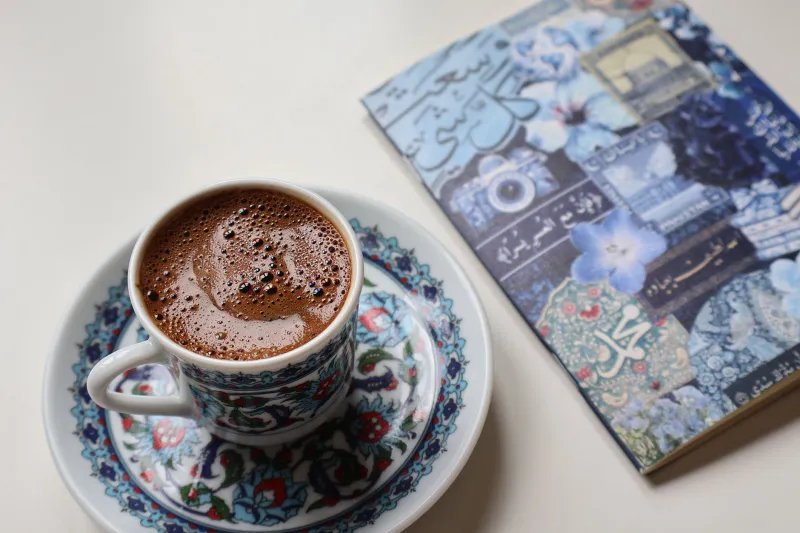
Picture this: you've just poured a third round of qahwa for your guest. The coffee is perfect — lightly golden, fragrant with cardamom, served warm in a small handleless finjan. Your guest smiles, accepts the cup, then gives it a gentle side-to-side tilt before handing it back.
Did you just offend them? Did they offend you? Is the gathering over?
If you're American and new to qahwa culture, that moment might feel like a social landmine. But here's the thing — it isn't. That tiny wrist movement is actually one of the most graceful, considered gestures in all of Middle Eastern hospitality. It just requires a little translation.
The Cup as a Conversation
Qahwa has never been purely about coffee. Anyone who's spent time around a traditional dallah — the long-spouted brass or silver pot used to serve qahwa — knows that the drink is almost secondary to what surrounds it. The seating arrangement, the order of service, the number of refills, the way the host holds the pot: all of it carries meaning.
The cup refusal — specifically the gesture of tilting or lightly shaking the finjan from side to side before returning it — is called a form of non-verbal acknowledgment that the guest has had enough. In Arabic, the phrase "bas, shukran" (enough, thank you) often accompanies it, but the gesture alone is completely understood. You don't need the words.
What makes this remarkable is how different it is from American coffee culture, where declining a refill often feels like you're ending something. In qahwa tradition, the refusal is part of the ritual itself. It's expected. It's even respected.
Three Cups, and Then the Choice Is Yours
Traditionally, qahwa is offered in a sequence of cups — typically three, though this varies by region and occasion. The first cup is often described as poured for the guest's wellbeing. The second is for enjoyment. The third carries a more symbolic weight depending on where you are in the Arabian Peninsula.
In some traditions, accepting the third cup signals contentment and complete engagement with the gathering. In others, refusing the third is perfectly normal and signals that the guest is satisfied and comfortable — not rushed, not uncomfortable, simply full of both coffee and good company.
The key word here is "signal." Every step of the qahwa ritual is a kind of signal. American social culture tends to rely heavily on spoken communication — we say what we mean and mean what we say, sometimes to a fault. Qahwa culture layers meaning into gestures, timing, and silence in ways that take time to read but are deeply expressive once you start to see them.
What the Refusal Actually Communicates
So what is a guest actually saying when they shake that cup back at the host?
Most often, it's simple satisfaction. The guest has had enough coffee, they're comfortable, and they're signaling that the host can stop pouring without any awkwardness. It's a kindness, actually — removing the guesswork from the host's side.
But the refusal can carry other shades of meaning depending on context. A guest who refuses early — say, after the first cup — might be signaling that they're in a hurry, or that they're not planning to stay long. This isn't rude; it's honest. The gesture allows them to communicate that without having to interrupt conversation or make a formal announcement.
In more formal or politically charged gatherings, a deliberate refusal of the third cup has historically been read as a sign of disagreement or unresolved tension. If negotiations weren't going well, a guest might decline the final cup as a quiet way of indicating that full reconciliation hadn't been reached. It was a diplomatic signal wrapped in the most everyday of gestures.
This is the kind of layered cultural literacy that takes years to develop in the cultures where qahwa is native — and that Americans typically have zero exposure to.
Why This Matters for American Hosts
Qahwa is making real inroads in American homes. People are picking up dallahs, sourcing lightly roasted green coffee, and experimenting with cardamom and saffron in their morning routines. But the cultural vocabulary that makes qahwa more than just a different kind of coffee? That part often gets left behind.
If you're hosting a qahwa gathering — whether for friends who are new to it or for guests from cultures where this is second nature — understanding the cup refusal changes everything about how you host.
First, don't take a refusal personally. In American hosting culture, a guest declining a refill can feel like a subtle rejection. In qahwa culture, it's the opposite. A guest who knows how to refuse gracefully is showing you they're comfortable, that they trust the social dynamic, and that they respect the ritual enough to participate in it fully — including the ending.
Second, watch for the gesture before you pour. A good qahwa host pays attention to their guests' cups without hovering. If someone is tilting their cup slightly even before you approach, they're already communicating. You don't need to wait for a verbal cue.
Third, offer without pressure. The act of offering a refill should feel like an invitation, not an expectation. Hold the dallah, make eye contact, and let the guest respond. That exchange — even when the answer is a gentle shake of the cup — is its own kind of conversation.
Learning to Listen With Your Eyes
One of the most interesting shifts that happens when Americans start engaging seriously with qahwa culture is a kind of recalibration of attention. We're trained to listen to words. Qahwa asks you to listen to everything else.
The pace of the pour. The warmth of the cup in your hands. Whether a guest reaches for the cup or waits for it to be offered. How long they hold it before drinking. Whether they drink slowly or quickly. All of these things are part of an ongoing, wordless dialogue between host and guest.
The cup refusal is maybe the clearest example of this — a single, unhurried gesture that communicates satisfaction, timing, and social grace all at once. Once you see it clearly, it's hard to unsee. And once you start practicing it yourself, you realize how much unnecessary talking we do in American social settings to communicate things that a simple gesture could handle just as well.
The Gesture That Keeps the Door Open
Here's the thing about refusing the third cup: it doesn't end the gathering. That's the part Americans most often misread. You can decline the coffee and stay for another hour. The refusal is about the coffee, not the company.
In fact, a graceful cup refusal followed by continued conversation is considered a mark of a good guest in many traditions. You've shown that you know the ritual, that you're paying attention, and that you're comfortable enough to communicate honestly. That kind of guest gets invited back.
At Qahwaji, we're big believers that the cup is the starting point, not the whole story. The real richness of qahwa culture lives in the spaces between the pours — in the gestures, the silences, the small negotiations of hospitality that happen without a single word being spoken.
So next time you're at a qahwa gathering and someone gives their cup a gentle shake, don't panic. Just appreciate the fact that you're witnessing something ancient, precise, and quietly beautiful. And if you're the one shaking the cup? Do it with confidence. You're not ending anything. You're just speaking the language.