Spice by Spice: How to Stock a Middle Eastern Coffee Cabinet That Actually Makes Sense

Photo: Wikiroro123, CC BY 4.0, via Wikimedia Commons
There's a moment when you crack open a fresh pod of green cardamom and hold it near a cup of hot coffee. The smell hits you before you've done anything else, and suddenly you understand — on a sensory level, not an intellectual one — why this spice has been inseparable from coffee culture across the Middle East for hundreds of years. It just belongs there.
But cardamom is just the beginning. The spice combinations that define qahwa and Arabic coffee traditions shift significantly depending on where you are — Gulf versus Levant, Saudi versus Yemeni, urban versus rural, one family versus the next. Building a spice cabinet that lets you explore those variations is genuinely fun, and it doesn't require a specialty food degree or a plane ticket to Dubai.
Let's break it down practically.
Start With the Foundation: Cardamom
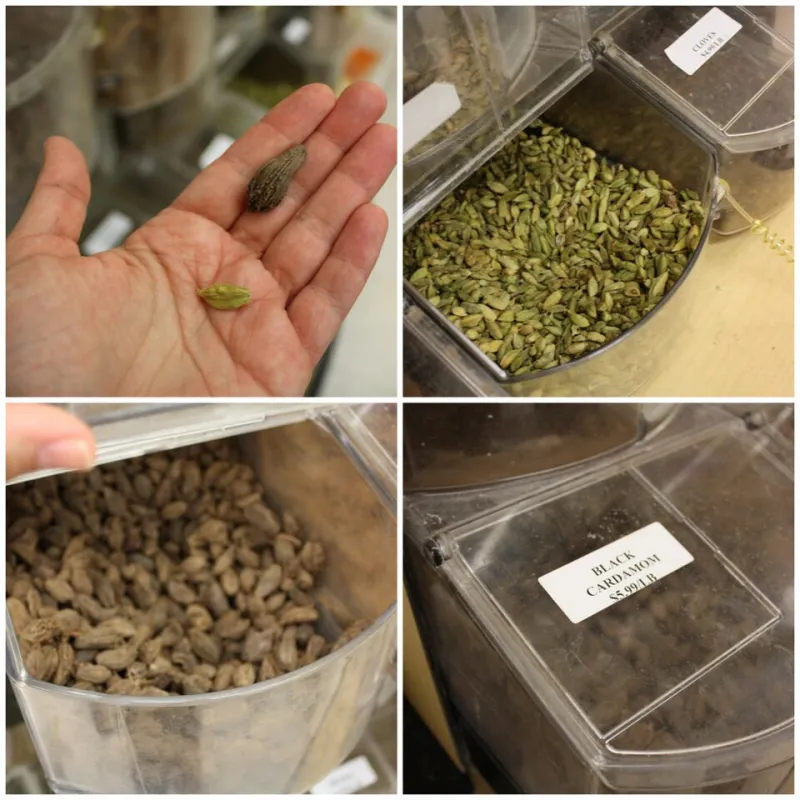
If there's one non-negotiable, it's cardamom. Specifically, green cardamom — the kind sold in small, pale green pods. This is the backbone of Gulf-style qahwa, the version most Americans encounter first, and it's used generously. We're not talking about a pinch. Traditional recipes call for roughly one crushed pod per small serving, sometimes more.
When you're buying cardamom in the US, quality varies more than you'd expect. The stuff sitting in the spice aisle of a mainstream grocery store has often been sitting there long enough to lose most of its volatile oils — which is where all the flavor actually lives. You want pods that are plump, green (not bleached or yellowed), and fragrant the moment you crush one between your fingers.
Where to find good cardamom: Indian and South Asian grocery stores are your best bet in most American cities — they move through cardamom quickly, so turnover is high and freshness follows. Middle Eastern markets are equally reliable. Online, Burlap & Barrel and Diaspora Co. both source high-quality single-origin cardamom that's noticeably more aromatic than commodity versions.
Store your pods whole in an airtight container away from light and heat. Grind or crush just before use. Pre-ground cardamom loses its punch within weeks.
The Gulf Style: Cardamom-Forward and Saffron-Kissed
Traditional qahwa from Saudi Arabia, Kuwait, the UAE, and Qatar tends to be light in color — brewed from lightly roasted or green coffee beans — and heavily cardamom-forward. Saffron is the other key player here, adding a subtle floral warmth and a golden hue that makes the cup feel genuinely special.
Saffron is expensive, full stop. But a little goes a long way, and the difference between qahwa made with real saffron and qahwa made without it is significant. Look for Iranian or Spanish saffron — both are widely available in the US through specialty grocers and online. Avoid anything suspiciously cheap; it's likely adulterated or just not saffron.
Rosewater sometimes shows up in Gulf-style preparations as well, adding a delicate floral note that plays well against the earthiness of the coffee. A teaspoon per pot is usually enough — more than that and it can tip from fragrant to soapy.
Flavor profile you're building: Floral, aromatic, gently spiced. Light-bodied. Best served in small pours.
The Levantine Lean: Darker, Spicier, More Familiar to American Palates
Move north and west — into Lebanon, Syria, Jordan, and Palestine — and the coffee tradition shifts. The beans are roasted darker, the brew is stronger, and the spice combinations tend to be more complex and warming.
Clove is the big differentiator here. Where Gulf-style qahwa might use a single clove bud as a subtle accent, Levantine preparations often lean into it more assertively. Clove brings a deep, almost medicinal warmth that pairs beautifully with darker roasts. Used well, it's compelling. Overused, it dominates everything — so start conservatively and adjust.
Cinnamon also plays a more prominent role in Levantine-influenced blends. Not the cassia bark sold in most American supermarkets, but Ceylon cinnamon — lighter, more delicate, with a slightly citrusy undertone. It's worth tracking down; the difference is real. Whole Foods and specialty spice shops typically carry it, and it's easy to find online.
Nutmeg appears occasionally, usually in smaller amounts, adding depth without announcing itself.
Flavor profile you're building: Warm, complex, darker-roasted. More robust than Gulf-style. Closer to what many Americans associate with spiced coffee.
The Yemeni Wildcard: Ginger and Coffee Cherry
Yemeni coffee culture deserves its own paragraph because it's genuinely distinct from both Gulf and Levantine traditions. Qishr — a Yemeni drink made from coffee husks (the dried outer shell of the coffee cherry) rather than the bean — is spiced primarily with ginger. Sometimes heavily. It's earthy, slightly sweet, and warming in a way that reads almost like a tea.
Fresh ginger is ideal, but good dried ginger works fine for home brewing. If you want to explore qishr specifically, you'll need to source coffee husks (also called cascara) — they're available through specialty roasters and online coffee retailers. It's a completely different experience from bean-based qahwa, and worth trying at least once.
Storing Your Spice Cabinet Properly
This is where a lot of home brewers quietly sabotage themselves. A few principles:
- Whole beats ground, always. Buy whole pods, sticks, and buds whenever possible and grind or crush as needed.
- Airtight containers are non-negotiable. Spices absorb ambient moisture and odors fast. Small mason jars work great.
- Label with purchase dates. Most whole spices hold their potency for 1–2 years; ground spices, much less.
- Keep away from the stove. Heat degrades volatile oils. A drawer or cabinet away from cooking heat is better than a rack above the burner.
Tasting the Difference
Once you have a few of these spices on hand, the best thing you can do is taste them side by side. Brew a simple batch of qahwa with cardamom only. Then brew another with cardamom and a single clove. Then try adding a pinch of saffron to the first version. Your palate will start mapping these flavor relationships in a way that no written description can quite replicate.
That's actually how these traditions were passed down for generations — not through recipes written on paper, but through watching, tasting, and adjusting. Your spice cabinet is just the beginning of that conversation.