Why Qahwa Hits Different: The Slow-Brew Chemistry Behind That Calm, Focused Feeling

Photo: Canbel, CC BY-SA 4.0, via Wikimedia Commons
Most Americans have a pretty clear idea of what coffee does to them. You drink it, your heart picks up a little, your thoughts sharpen, and somewhere around the second cup you start wondering if you've had enough. It's a familiar loop — effective, maybe a little aggressive.
Then there's qahwa.
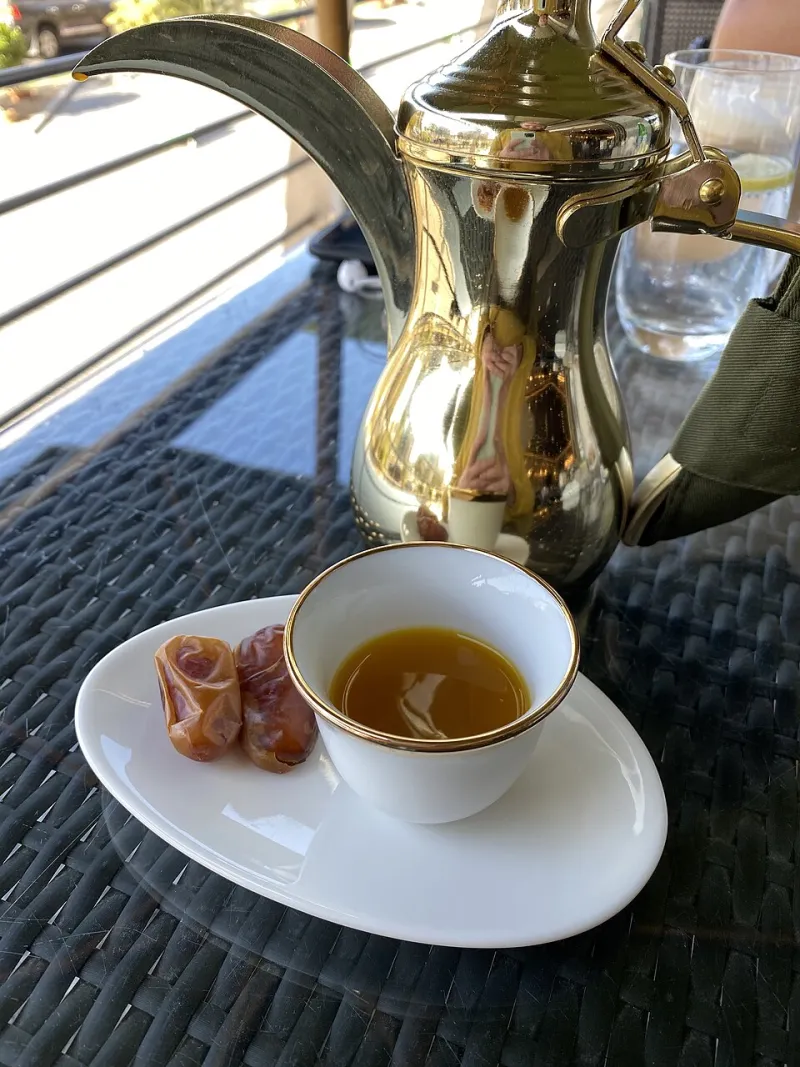
People who've sat down with a proper cup of traditional Arabian coffee — brewed slow, spiced with cardamom, served warm in a small handleless cup — often describe something different. Not jittery. Not wired. More like settled and clear at the same time. That's not just the ceremony talking. There's actual chemistry behind it, and understanding it changes how you think about what coffee can be.
The Basics: What Qahwa Actually Is
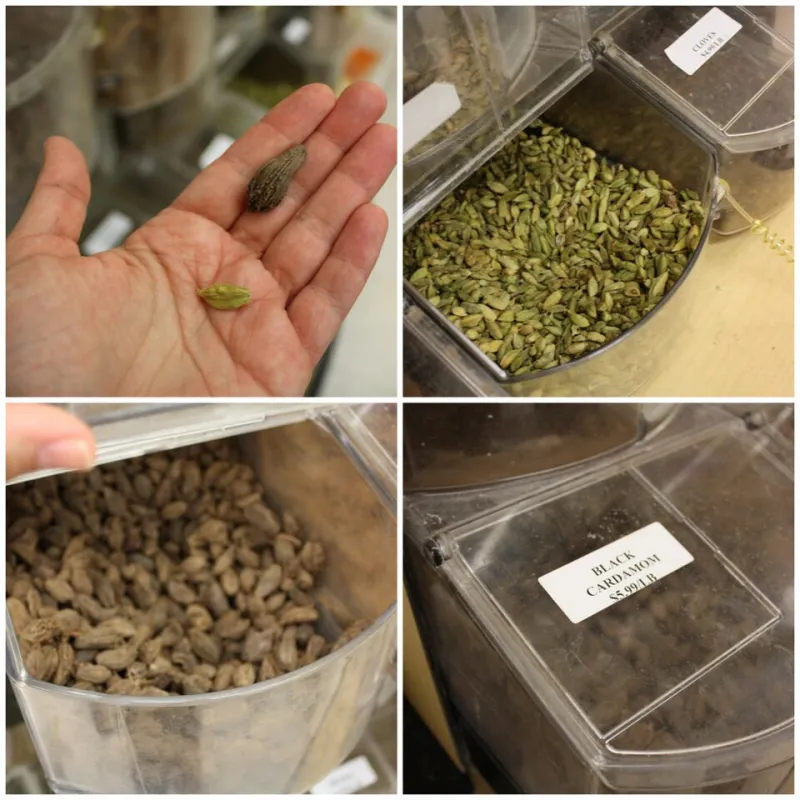
Before we get into the science, a quick grounding. Traditional qahwa (sometimes spelled gahwa) is brewed from lightly roasted green or pale-gold coffee beans — a world away from the dark roasts most Americans reach for. It's simmered low and slow, often for twenty minutes or more, with whole cardamom pods and sometimes saffron or cloves added to the pot. The result is a liquid that's amber-hued, aromatic, and noticeably lighter in color than drip coffee or espresso.
The roast level and the brewing method together create a chemical profile that's fundamentally different from what comes out of a drip machine or an espresso puck. And that difference matters more than most people realize.
Roast Level Changes Everything — Starting with Caffeine
Here's something that surprises a lot of coffee drinkers: lighter roasts actually retain more caffeine than darker ones. The roasting process degrades caffeine over time, so the pale beans used in qahwa carry a higher caffeine concentration per gram than your average dark roast.
But — and this is where it gets interesting — the way that caffeine gets extracted during brewing determines how much of it actually ends up in your cup, and how quickly your body absorbs it.
Espresso uses intense pressure and near-boiling water for about 25 to 30 seconds. That rapid, high-force extraction pulls caffeine out fast and concentrates it in a small volume. The result is a quick, dense hit.
Qahwa works the opposite way. Water temperatures during a traditional simmer hover well below boiling — often around 160 to 185°F — and the brew time stretches out across multiple heating cycles, sometimes with the pot being brought to a simmer, pulled back, and returned again. This gentler, longer extraction pulls caffeine more gradually and in a more diluted final volume.
The Role of Chlorogenic Acids and Slow Heat
Caffeine isn't the only compound in play. Green and lightly roasted coffee beans are packed with chlorogenic acids — antioxidant compounds that dark roasting largely destroys. These acids have been studied for their role in slowing glucose absorption and moderating the body's stress response. Some researchers believe they may blunt the sharper edges of caffeine's stimulant effect, contributing to a more even-keeled alertness.
When you brew qahwa at lower temperatures for an extended period, you're preserving more of these compounds than high-heat methods allow. The slow simmer is essentially a preservation strategy, even if the people who developed it centuries ago didn't have the vocabulary of organic chemistry to describe what they were doing.
They just knew it worked.
Cardamom's Quiet Contribution
The spice isn't just flavor. Cardamom contains compounds — including 1,8-cineole and various terpenes — that have mild calming and anti-inflammatory properties. Traditional qahwa recipes aren't arbitrary; the spice blend that developed over centuries in the Arabian Peninsula may have been shaped partly by intuitive observation of how the drink made people feel.
Cardamom has also been studied for its potential to support digestion, which matters when you're talking about a beverage that's traditionally served before and after meals, and in contexts where guests might be sitting for a long time. A drink that energizes without creating stomach discomfort is a practical cultural tool, not just a pleasant tradition.
Why the Repeated Heating Cycle Matters
One detail that often gets overlooked: traditional qahwa is frequently brought to heat more than once during preparation. The dallah — the long-spouted brass or steel pot used for brewing — might be set on the fire, allowed to simmer, pulled back before it reaches a rolling boil, and then returned. This cycle isn't inefficiency. It's a method that keeps the water temperature in a range that extracts flavor and caffeine without driving off the more delicate aromatic compounds or over-extracting bitter tannins.
Over-extraction is what makes coffee harsh. The slow, managed heat of qahwa preparation is essentially a way of threading the needle — getting what you want from the bean without getting what you don't.
So Why Does It Feel Different?
Put it all together: lighter roast with higher chlorogenic acid content, lower-temperature extraction over a longer period, a smaller serving volume, and a spice profile with its own mild physiological effects. The caffeine is present, but it arrives differently — more gradually, buffered by other compounds, and in a context (the ritual, the small cup, the slow pace) that doesn't encourage rapid consumption.
Compare that to a 16-ounce drip coffee consumed in the car on the way to work, and the contrast isn't just cultural. It's biochemical.
Qahwa was designed — through generations of refinement rather than lab testing — to support long gatherings, sustained conversation, and hospitality that stretches across hours. The chemistry of the brew reflects the purpose of the occasion. That's not an accident. That's centuries of wisdom doing exactly what it was meant to do.
Next time you're looking for something that wakes you up without winding you up, the answer might be older than you think.